
How to prepare for extreme weather
This short video includes practical steps that make preparation easier, helping you stay in control when severe weather hits.

This short video includes practical steps that make preparation easier, helping you stay in control when severe weather hits.
A home emergency kit is designed to help keep you and your family safe while we work to get the power back on. Make sure everyone knows where it is kept and that the kit includes:
If extreme weather damages key parts of the electricity network, power may be out for several days. This short video shows you how you can prepare for extended power outages.
If you use electricity powered life support equipment, this short video shows why registering as a life support customer and having a clear backup plan are essential to your extreme weather preparation.
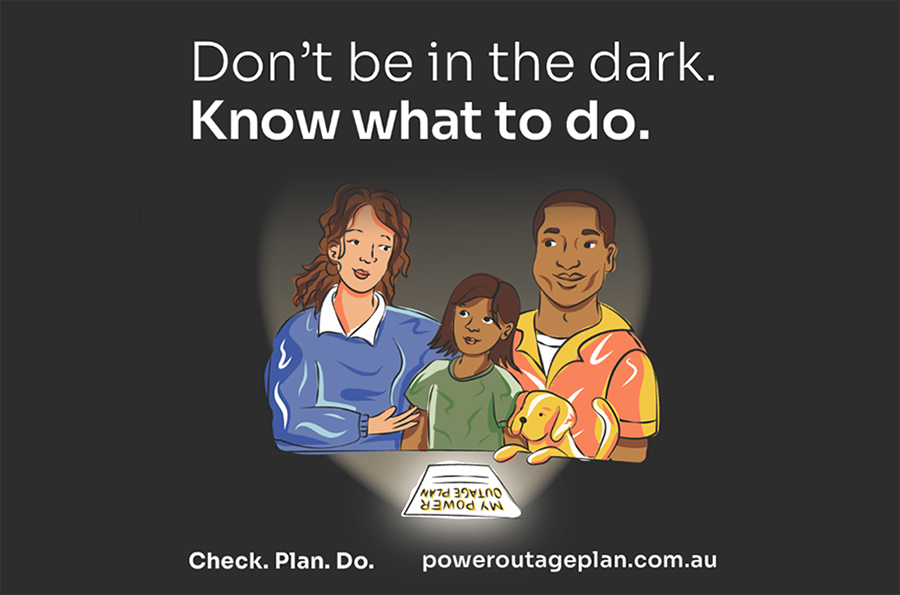
The Power Outage Plan website has step-by-step guides and checklists to help you plan. Download or print the template to create your own personalised plan today. Keep it somewhere safe and easy to find. Remember to update your plan and check your emergency kit regularly.
Are the streetlights out or do your neighbours have power? If you have power to some parts of your home, or your neighbours have power but you don’t, the problem might be inside your home.
When Ausgrid are aware of a power outage on our network we send a power outage SMS notification to the primary account holder (the person named on the bill) within 15 minutes. We will also send you a message to update you on changes to the restore time, and to notify you that power has been restored.
Check our outage map to see if there’s a known outage in your area. If you’re without power and it’s not showing on our outage map, you can report it here. If you see damaged poles or wires on your street, report this hazard to Ausgrid here, or call 13 13 88. Stay at least 8 metres away from any dangerous situations.
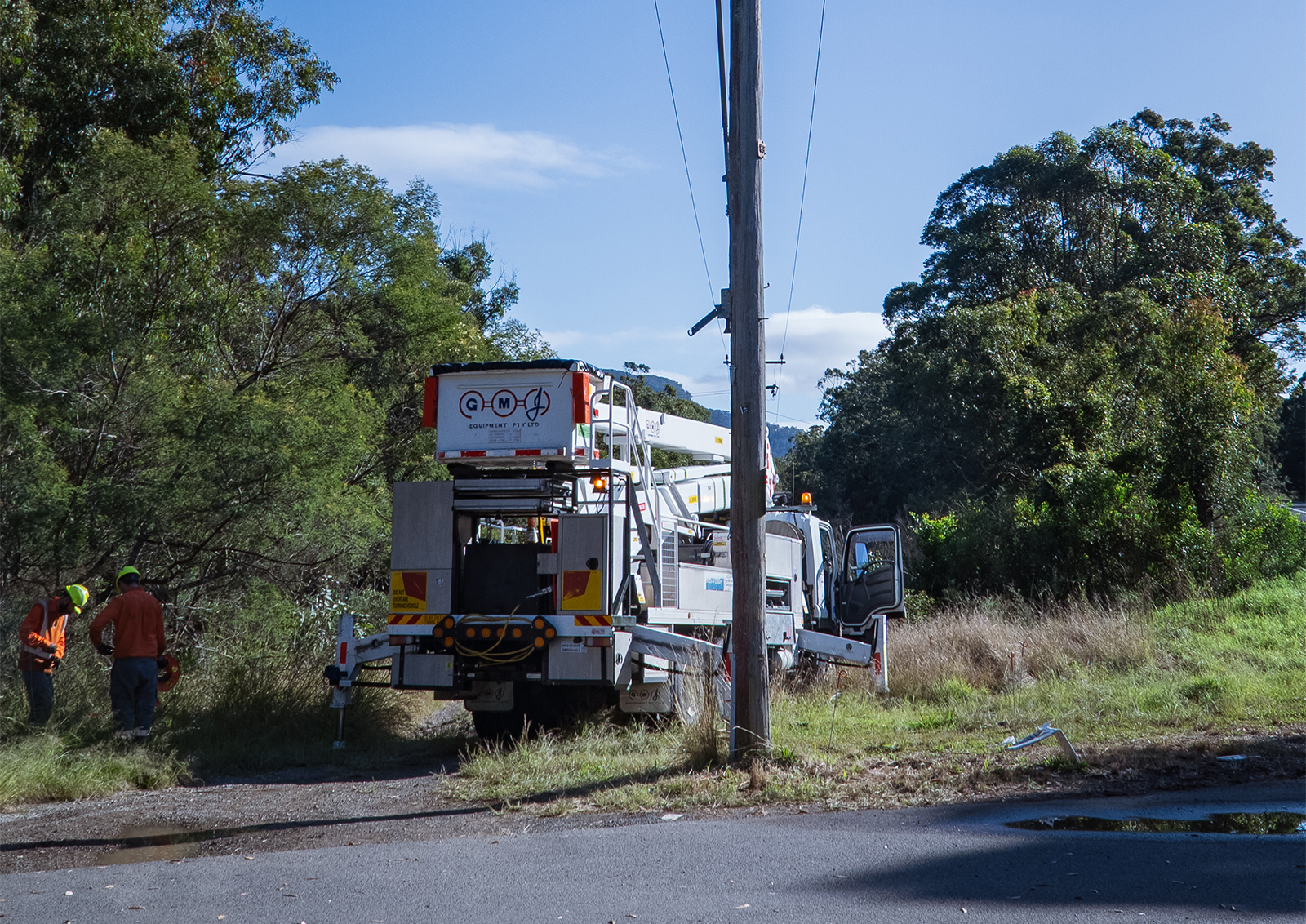
Climate change means extreme weather is becoming more common, making long power outages more likely. Learn what makes a home climate resilient, and what that means for you.